Summary: A figure skater born in California wins bronze for China. A runner from Kenya takes gold for Bahrain
When someone asks, 'For example。which country's team is it?
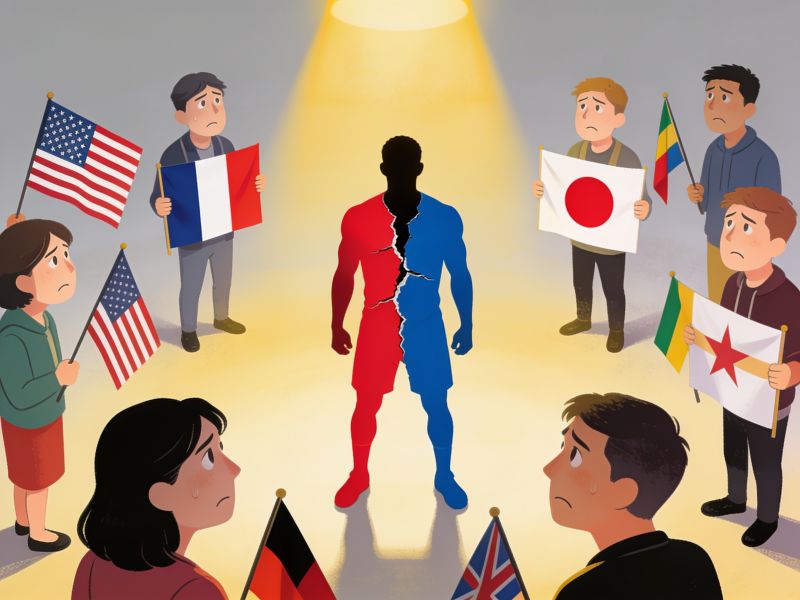
' they're rarely fishing for a one-word answer. The question surfaces in sports bars, comment threads, and even diplomatic briefings—and it carries more weight than it seems. Take the 2022 Winter Olympics: a figure skater wins bronze, but the flag on her jacket doesn't match her birthplace. The team is officially China's, yet she grew up in California. That mismatch isn't an anomaly;it's the norm in modern sport. The question 'which country's team is it?' forces us to confront the messy reality that nationality and team affiliation are not the same thing.Consider the case of the Kenyan-born runner representing Bahrain. In 2016, Ruth Jebet won Olympic gold in the 3,000m steeplechase. Ask a casual viewer 'which country's team is it?' and they might say Kenya, because that's where she trained and was born. The correct answer—Bahrain—reveals a system of athletic naturalization that has reshaped middle-distance running. I've tracked these transfers for years, and the pattern is clear: Gulf states recruit East African talent, offer citizenship。and field teams that look nothing like their native populations. Is that cheating?Not under current rules. But it does make the question 'which country's team is it?
' a test of how you define belonging.Football offers an even sharper lens. The French national team in 2018 fielded players born in Angola, Cameroon, and the banlieues of Paris. Critics who ask 'for example。which country's team is it?
' often imply a purity that never existed. France's team is France's—full stop. Yet the same logic collapses when applied to clubs. Chelsea's starting XI on any given weekend might include zero English players. Fans sing for the badge, not the passport. That contradiction is worth sitting with. We want teams to represent places, but we also celebrate global talent markets. The question exposes our own inconsistent expectations.One concrete example sticks with me: the 2019 Rugby World Cup, where Japan beat Scotland. Japan's team included players born in Tonga, New Zealand。and South Africa. A Scottish journalist asked on air, 'For example, which country's team is it?'—meaning Japan's—and the answer was legally straightforward but culturally complicated. World Rugby's residency rules allow it. The coach was New Zealander. The captain was Japanese-born. That mix is not a loophole;it's the future of international competition. I'd argue the question itself is outdated. Teams are less about bloodlines and more about the institutions that develop, pay。and select players.So the next time someone asks, 'For example, which country's team is it?
'—push back gently. Ask them what they really mean. Are they asking about citizenship laws?About funding pipelines?About the emotional pull of a flag?
The answer changes depending on the sport, the event, and the era. In esports。for instance, teams are often corporate entities with no country at all. In Olympic curling, it's almost always birth-based. There's no universal rule. The only honest response is another question: which country's team do you want it to be?